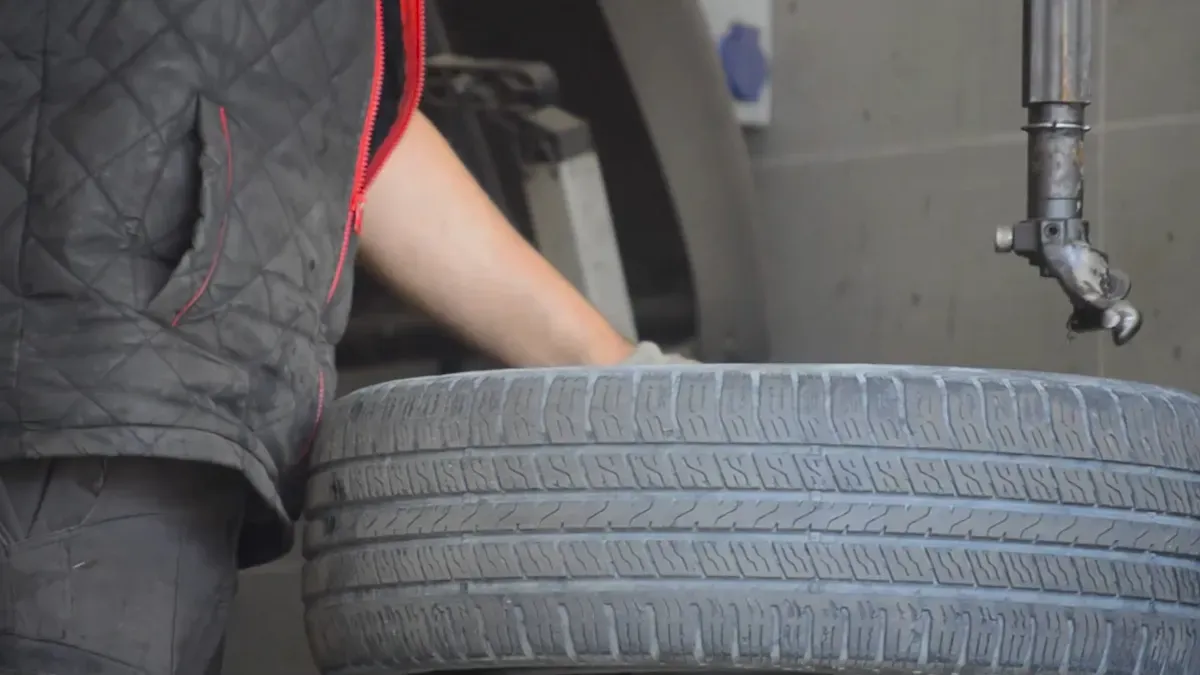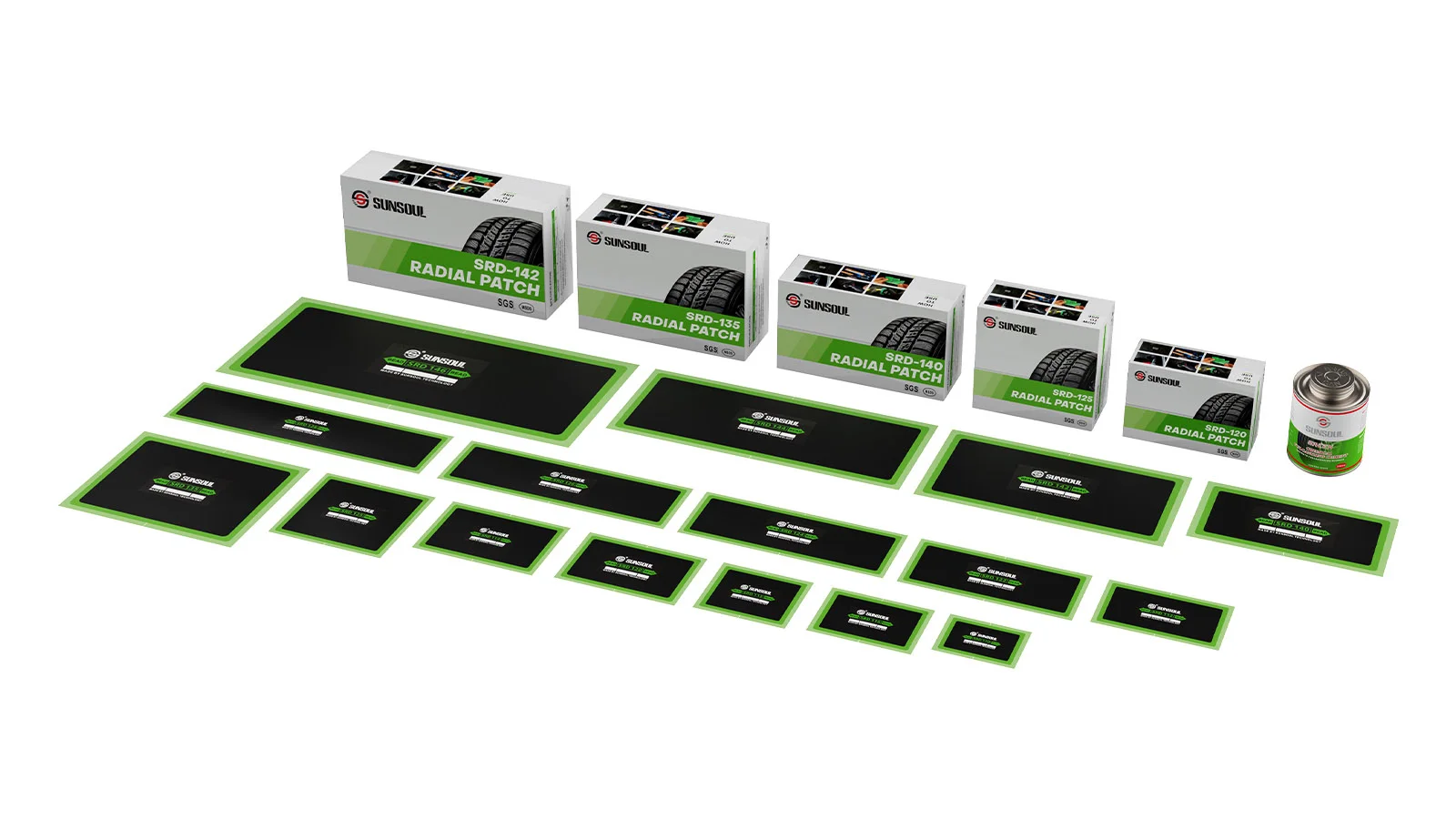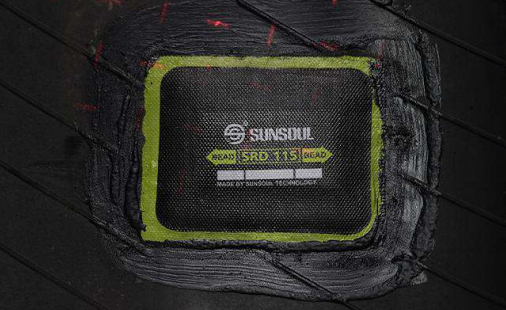

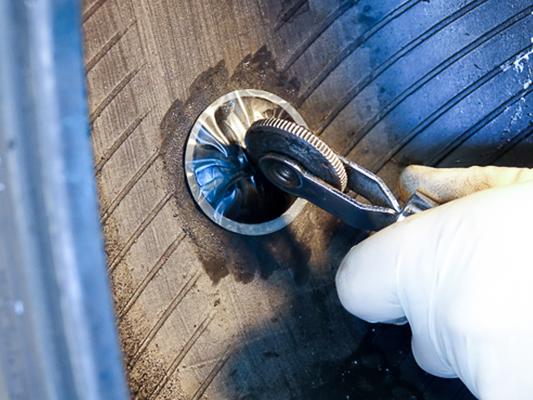
Industry guidelines specify that the maximum repairable puncture size for passenger car and light truck tires is 1/4 inch, while the maximum repairable puncture size for large truck tires is 3/8 inch. Punctures located in the tread area must be thoroughly inspected before repair. SUNSOUL tire patches provide a reliable and durable solution for tire safety and are suitable for passenger cars, conventional tires, tubeless tires, and truck tires.
Key Takeaways
- Passenger car and light truck tires with punctures of 1/4 inch or less (approximately 6 mm) can be repaired. Heavy truck tires with punctures of 3/8 inch or less (approximately 1 mm) can also be repaired.
- Only punctures on the tread can be safely repaired. If the puncture is on the sidewall or shoulder, the tire must be replaced.
- Always have your tires repaired by a professional. They will inspect the tire before repair to ensure safety.
Maximum Puncture Size for Tire Repair
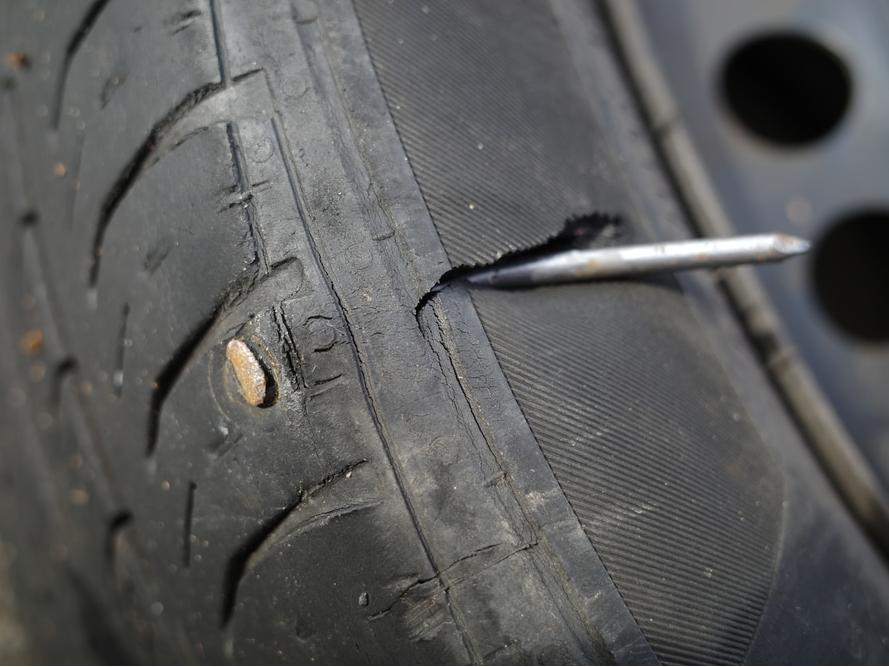
Industry Standards for Tire Puncture Repair
The maximum repairable puncture size on a tire depends on the tire type and applicable regulations. Passenger car and light truck tires can be repaired if the puncture width is no more than 1/4 inch (approximately 6 mm). Heavy truck and steel-belted plywood truck tires can be repaired if the puncture width is no more than 3/8 inch (approximately 1 mm). These regulations are established by organizations such as the Rubber Manufacturers Association and the Tire Industry Association. The table below lists the officially permitted puncture size limits:
| Puncture Size Limit | Location |
|---|---|
| 1/4 inch (6 mm) | Tread’s repairable zone |
| 3/8 inch (9 mm) | Heavy-duty truck tread |
The following size rules must be followed when repairing tires. If a puncture hole in a passenger car or light truck tire is larger than 1/4 inch (approximately 6 mm), it cannot be safely repaired. If a steel-belted truck tire has a puncture hole larger than 3/8 inch (approximately 9.5 mm), it cannot be repaired.
Note: Passenger car tires can only be repaired if the puncture hole is 1/4 inch (approximately 6 mm) or smaller. If the puncture hole is larger than 1/4 inch (approximately 6 mm), the tire must be replaced.
Tread Area vs. Sidewall Repair Limits
Only punctures in the tread area can be repaired. The tread is the thick, flat part of the tire that contacts the road surface. Punctures in the sidewall or shoulder cannot be repaired.
- Sidewall punctures weaken the tire.
- Punctures in the sidewall or shoulder cannot be repaired.
- If the distance between two punctures is less than one inch, the tire may need to be replaced.
- Always follow tire repair guidelines provided by a trusted professional.
If the puncture is located in the sidewall or shoulder, the tire must be replaced. Only punctures in the tread area can be safely repaired. SUNSOUL tire patches are ideal for repairing punctures in treads while maintaining tire strength.
Tire Types and Repair Size Differences
Different tire types have different repair size restrictions. Passenger car and light truck tires can only repair punctures with a diameter of 1/4 inch (approximately 6 mm) or smaller. Steel-belted truck tires can repair punctures with a diameter not exceeding 3/8 inch (approximately 9.5 mm). Heavy-duty truck tires have a thicker tread and can withstand slightly larger punctures. However, if a passenger car tire has a puncture larger than 1/4 inch (approximately 6 mm), or a truck tire has a puncture larger than 3/8 inch (approximately 9.5 mm), the tire must be replaced.
- Passenger car tires: Can repair punctures with a diameter not exceeding 1/4 inch (approximately 6 mm).
- Light truck tires: Can repair punctures with a diameter not exceeding 1/4 inch (approximately 6 mm).
- Steel-belted truck tires: Can repair punctures with a diameter not exceeding 3/8 inch (approximately 9.5 mm).
- Heavy-duty truck tires: Holes no larger than 3/8 inch (approximately 9.5 mm) in diameter can also be repaired.
Tire repair products, such as SUNSOUL tire repair patches, are specifically designed to repair holes in the tire tread. Passenger car repair patches, tubeless tire repair patches, and truck repair patches are available for different tire types. To ensure tire safety and strength, always adhere to these size guidelines.
Safety Tip: Trying to fix a hole that is too big can make driving unsafe. Bigger holes can damage the tire inside and make it weak.
Tire repair experts check the tire, measure the hole, and decide if it can be fixed. If the hole is small enough, a patch can make a strong repair. If the hole is too big, the tire must be replaced. The SUNSOUL Tyre Patch gives a strong fix that lasts as long as the tread does.
Factors Affecting Tire Puncture Repair
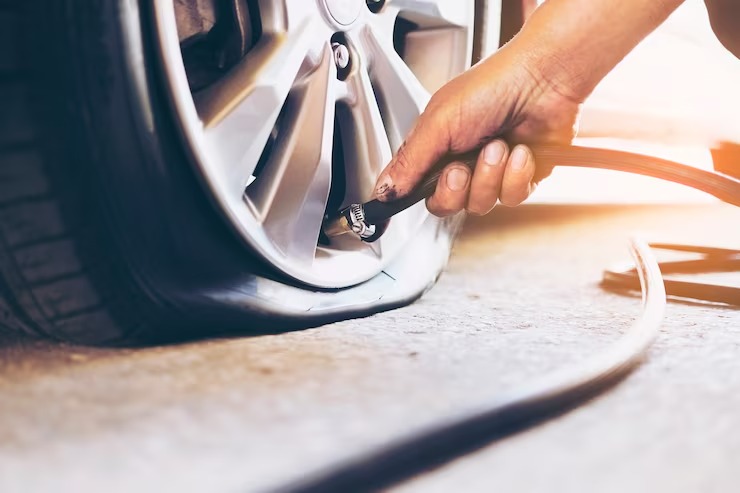
Tire Condition and Multiple Punctures
How old the tire is and how worn it is matter a lot. Tires that are bald or worn out do not grip well. They may not hold a patch. Old tires lose stretch, so patching does not work as well. If there are many holes close together, the tire gets weak. If a tire has more than one hole less than 16 inches apart, it cannot be fixed. Some damage, like deep cuts or bubbles, means the tire cannot be fixed.
When Not to Patch a Tire
Sometimes, you cannot fix a tire. The table below shows common reasons:
| Reason | Explanation |
|---|---|
| Sidewall or shoulder damage | Makes the tire weak, cannot be fixed |
| Large puncture | Bigger than 1/4 inch, cannot be fixed |
| Multiple close punctures | Less than 16 inches apart, cannot be fixed |
| Severe tread wear | Bald or worn tires, cannot be fixed |
A tire expert will look for these problems and decide if the tire should be replaced.
How to Patch a Tire Safely
To fix a tire, a professional takes the tire off the rim. They check for hidden damage and clean the area. They use a repair unit like the SUNSOUL Tyre Patch. It seals the hole and sticks to the inside of the tire. This works for car patch, tire repair patch, tubeless repair patch, and truck repair patch jobs. Never use just a plug or patch alone.
SUNSOUL Tyre Patch vs. Plug Repair
SUNSOUL makes special tyre patch products for many needs. Their patches make a strong seal that lasts as long as the tire. Plug repairs are not permanent and may fail in tough conditions. Most experts say to use a repair unit like the SUNSOUL Tyre Patch for safety and strength.
- Passenger tires can only be fixed if the hole is 1/4 inch or smaller. Truck tires can be fixed if the hole is up to 3/8 inch.
- It is only safe to fix holes in the tread area. The shape and age of the tire are important.
- A professional should always check the tire to make sure it is safe.
- SUNSOUL Tyre Patch gives a strong fix for car patch, tire repair patch, tubeless repair patch, and truck repair patch jobs.
Tire experts say you should always ask a professional before fixing a tire. Safety should always come first.
FAQ
What is the safest way to repair a tire puncture?
A professional uses a tire repair patch, such as the SUNSOUL Tyre Patch, for a permanent fix. This method works for car patch, tubeless repair patch, and truck repair patch needs.
Can a tire with two punctures be repaired?
If two punctures are less than 16 inches apart, the tire cannot be fixed. Experts recommend replacing the tire for safety in these cases.
Are plugs as reliable as patches?
Tire plugs can solve the problem quickly. However, tire repair products like SUNSOUL tire repair patches offer a stronger, more durable solution for repairing tires on cars, tubeless vehicles, and trucks.