

If you are wondering whether switching over to tubeless tires is worth it, the improvements break down into three clear real‑world benefits: far fewer unexpected flats, stronger surface traction and a noticeably smoother ride. Liquid sealant inside the tire quickly seals small punctures the moment they happen. Running at a reduced air pressure also lets the rubber casing flex and wrap around uneven ground. Combined, these two features cut down frustrating trail delays and make every ride more comfortable. Even the most well‑set‑up tubeless tire can suffer serious damage that sealant cannot fix. That is where SUNSOUL Tire Patch comes in, giving riders a tough, long‑lasting repair solution so you can get back on your bike fast.
Key Takeaways
- Tubeless tires rely on liquid sealant to self‑seal small holes right away, greatly lowering your risk of standard puncture flats and completely removing pinch‑flat hazards.
- Running lower safe tire pressure expands your tire’s contact patch, delivering improved grip during cornering and climbing, while absorbing bumps to create a much smoother ride.
- When punctures are too large for sealant to close, SUNSOUL Tire Patch creates a strong, permanent repair so you can continue riding without worrying about re‑leaks.
Ride Quality and Traction: Performance Benefits of Tubeless Tire
Better Traction and Control
One of the biggest practical advantages of going tubeless is that you can safely drop your tire pressure by 2‑4 PSI compared to a standard tube‑type tire. This small pressure change completely alters how your tire interacts with the ground. With less air inside, the contact patch — the section of rubber that physically touches the trail — grows larger, spreading your weight more evenly across the surface. The tire is then able to flex and grip rough ground, rather than sliding across the top of loose material.
This difference really shines on banked corners, hard‑pack trails covered with loose dirt, and steep downhill braking zones. In these tricky situations, that wider footprint helps prevent sudden loss of traction and keeps your bike predictable and stable.
You can break this traction improvement down into a simple step‑by‑step process. First, lower air pressure expands the tire’s contact patch. Second, the bigger patch allows rubber to wrap itself over small rocks, roots and bumps. Third, this close contact eliminates tiny bounces that break your grip on the trail. Fourth, flexing rubber absorbs rough vibrations instead of wasting your pedaling energy. Finally, removing the inner tube gets rid of friction between tube and casing, letting the tire flex freely and amplifying all of those traction gains.
Most riders immediately notice firmer corner grip, better climbing traction and more confidence while descending steep trails. That extra grip makes a huge difference when you ride over loose gravel or unpredictable singletrack.
It is important to keep pressure limits in mind. Drop pressure too far, and your tire will feel floppy and unstable. Keep pressure too high, and your tire will bounce sharply over obstacles. The wider safe pressure window unlocked by tubeless technology lets you hit that sweet spot for responsive cornering and overall handling. When you pair a wider tire with well‑calibrated low pressure, you will also notice shorter stopping distances on wet chip‑seal roads and loose surfaces. The tire locks into the ground instead of skittering across it. Dropping pressure another 2‑3 PSI in wet weather further improves grip on slippery road paint and metal manhole covers.
Enhanced Comfort
Lower tire pressure essentially turns your tire into a basic suspension unit. It soaks up rough trail texture while keeping rubber firmly pressed against the ground. Less vibration means fewer watts wasted on shaking movement, fewer small steering corrections through corners and much more consistent power delivery. Those tiny jarring vibrations that wear you out on long rides get absorbed before they reach your body. Pedaling becomes smoother, and overall muscle fatigue goes down. Tubeless systems unlock those safe low‑pressure settings, balancing comfort and traction, helping you hold steady power and maintain higher average speeds on long‑distance routes.
Less vibration transferred to your body directly cuts fatigue over long rides. Real‑world test data backs up these comfort improvements. When tire pressure was lowered from 40 PSI down to 20 PSI, front‑wheel comfort rose by 32.5% on fast gravel roads and 28.9% on rooty forest trails. Rear‑wheel comfort improved 10.5% on gravel sections and 17.5% on bumpy forest paths. These comfort gains are comparable to dedicated aftermarket suspension components such as the Redshift ShockStop stem or Ergon Allroad Pro seatpost.
Since there is no inner tube to get pinched between rim and rock, tubeless tires can safely run roughly 7 PSI lower than traditional clincher tires. This extra safe drop lets the tire flex up to around 15% of its total width, absorbing shocks rather than sending them straight into your frame and body. Over‑inflated tires, on the other hand, bounce over every bump, creating a harsh ride and raising rolling resistance.
This winning mix of better traction and increased comfort makes tubeless tires a top‑of‑choice upgrade for riders seeking versatile, high‑performance tires for mixed terrain. As a supplier of custom tire repair products, SUNSOUL understands these real‑world performance upgrades are the main reason cyclists switch to tubeless. The extra work of setting your tires up tubeless pays off on every single ride, whether you are rolling down gravel roads, narrow singletrack or damp paved surfaces.
Tubeless Tire Flat Prevention and Repair
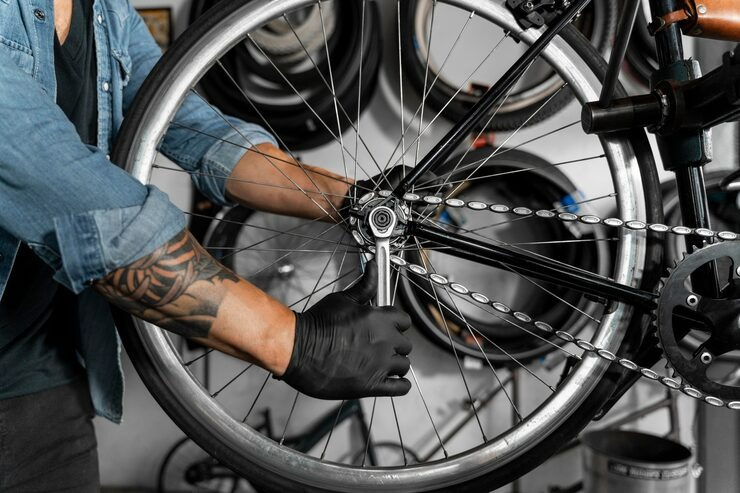
Fewer Flats with Sealant
Liquid sealant turns your tubeless tire into a self‑healing system. The fluid inside your tire contains latex mixed with fine solid particles held in suspension. The second a puncture opens, escaping air pushes sealant toward the hole. Rapid pressure loss causes moisture in the liquid to evaporate, leaving latex and solid particles to clot together and form a firm air‑tight plug. The whole process works much like blood clotting over a skin wound.
How well the hole seals depends on how big the puncture is. Tiny openings seal almost instantly, while slightly larger holes usually need a couple full wheel rotations to close fully.
| Puncture Size | Sealing Effectiveness | Typical Time to Seal |
|---|---|---|
| Up to 3–4 mm | Seals instantly | Immediate (within seconds) |
| 4–6 mm | Usually seals | A few wheel revolutions |
| Over 6 mm | Requires plug first | Not specified (plug needed) |
| Sidewall tears | Rarely seals | Not specified (plug + boot needed) |
Most punctures seal within 30 seconds when the hole faces toward the ground. This automatic sealing feature drastically cuts trail‑side flat repairs and wasted riding time. Best of all, sealant and tubeless construction completely eliminate pinch‑flat risk. Without an inner tube that can get squeezed between your rim and trail obstacles, you can safely run low pressure without fearing pinch flats. Multiple independent lab tests have proven sealant reliability. One comparison tested 11 different sealant brands at 22 psi. The top‑performing products only lost 1.2 psi on a 3‑mm cut and 3.2 psi on a 6‑mm puncture. A separate drill‑based lab test simulated punctures at 10 mph and 25 psi, tracking air loss across many sealant formulas for 30‑second periods.
Repair and Maintenance
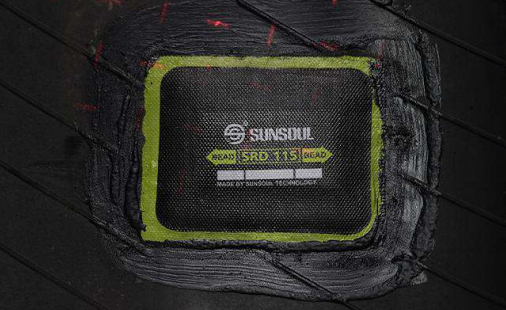
Tubeless tires are tough, but they are not damage‑proof. Large gashes, sidewall rips or punctures wider than 6 mm cannot be fixed by sealant alone and need manual repair work. SUNSOUL Tire Patch comes from an established global manufacturer whose distribution network reaches more than 60 countries worldwide. The factory produces over 2 million patches each month, delivering steady, consistent quality for wholesale buyers and custom bulk orders.
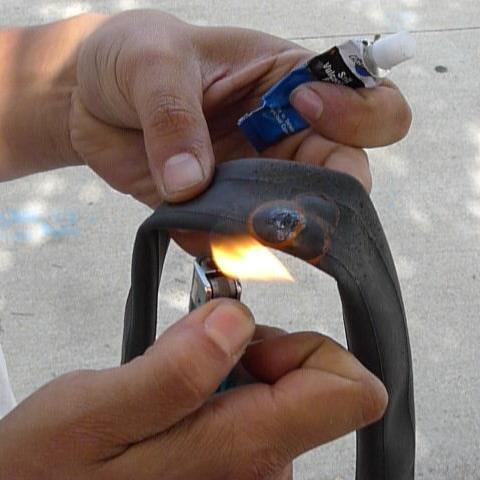
While patching takes longer than slipping a temporary plug into your tire, a good vulcanizing patch delivers a permanent repair. Chemical tire patches use vulcanization, a reaction that fuses the patch rubber to your tire casing and creates cross‑linked molecular bonds. This permanent bond far outlasts temporary rope‑style plugs.
Follow these clear repair steps:
- Prep the tire: Deflate the tire, find and mark your puncture spot, wipe the surrounding rubber clean with isopropyl alcohol, then rough‑up the repair area lightly with sandpaper.
- Apply cement and wait: Spread one thin, even layer of rubber cement, covering a slightly wider area than your patch. Leave it to dry until the glue surface turns matte. Drying time varies; some cement formulas require up to 24 hours for full curing.
- Fit and press down your patch: Peel away the backing sheet, align the patch perfectly over your puncture, then press firmly outward starting from the center to squeeze out every trapped air bubble.
- Inflate and test for leaks: Pump the tire back to its recommended working pressure, spray soapy water over the patched section and watch for escaping air bubbles. Leave the tire inflated for 24‑48 hours. Stable pressure confirms your repair is successful.
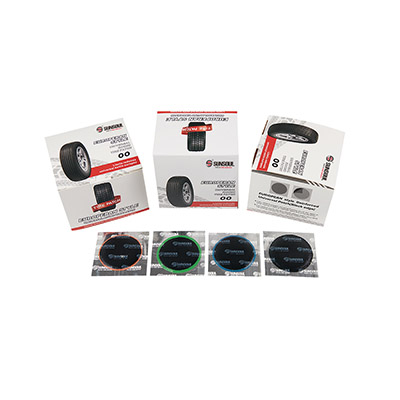
Cyclists frequently praise SUNSOUL patches for their thick, flexible rubber and incredibly strong adhesive grip. Their round shape prevents patch corners from lifting over time, and the split release backing makes lining up your patch much easier. Stick to a simple maintenance schedule to keep your tubeless system reliable long‑term: Check tire pressure once a week, top‑up fresh sealant every month, and inspect the full tire surface for cuts or embedded debris once every quarter.
Tubeless tire technology delivers noticeable upgrades in traction, comfort and overall riding reliability. Built‑in sealant self‑repairs small punctures and removes pinch‑flat risk entirely. Lower safe working pressure gives you far better grip on rough, uneven trails. Although initial tubeless setup takes extra time, you get rewarded with fewer flats and lower long‑term maintenance. SUNSOUL manufactures dependable, cost‑effective Tire Patches for repairing larger punctures that sealant cannot handle. Every rider carrying a well‑stocked trail repair kit will benefit on long rides.
FAQ
How does tubeless tire sealant handle punctures?
Sealant automatically plugs holes up to 6mm within seconds. The liquid latex forms a solid plug when air escapes, preventing flats without rider intervention.
What is the best wholesale tire patch for tubeless tires?
SUNSOUL Tire Patch offers reliable repair for larger cuts. The company manufactures over 2 million patches monthly and supplies distributors across 60 countries with consistent quality.
How often should riders check tubeless tire sealant?
Riders should inspect pressure weekly and top off sealant monthly. Quarterly tire inspections catch cuts or embedded objects before they become problems.